


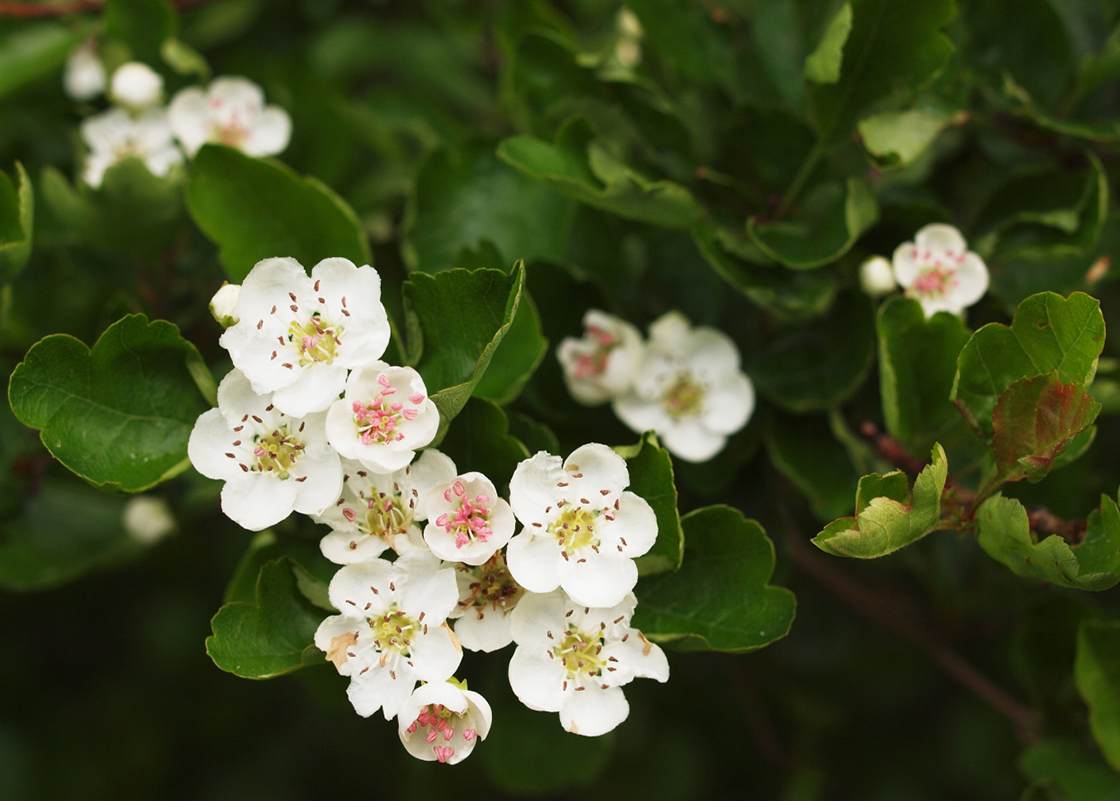
Hawthorn Tea 75g
R134.36
The leaves and flowers are used to create a liquid tincture that improves cardiovascular health (heart health).
3 in stock
Description
Hawthorn Tea 75g
Hawthorn (Crataegus monogyna) originates from the rose family. The leaves and flowers are used to create a liquid tincture that improves cardiovascular health (heart health).
Ingredients:
-
Crataegus monogyna (Hawthorn) leaf & flower — this is the listed ingredient for the herbal tea.
-
No other ingredients (e.g. fillers, flavours) are listed on the product page, so it appears to be a pure hawthorn herbal blend.
Usage / Dosage Instructions:
From the product pages:
-
The tea is described as a “mild herbal tea” intended to support cardiovascular health.
-
For the hawthorn tincture (50 ml variant), dosage instructions include: Adults: 10 drops three times daily before meals.
-
Also for the tincture: use fewer drops for elderly and children (e.g. over 65: 5 drops; children 2–6 years: 5 drops in ¼ glass water/juice)
-
For the herb tea, standard herbal practice (not specific to Phyto) is to steep about 1 teaspoon of dried herb in a cup of boiling water for ~10–15 minutes; drink 1 to 3 cups per day.
Benefits:
Cardiovascular Health
-
Heart Failure Support: Studies show hawthorn can improve exercise tolerance, reduce shortness of breath, and ease fatigue in people with mild chronic heart failure. (nih.gov)
-
Blood Pressure Regulation: Can help slightly lower blood pressure by relaxing blood vessels and improving circulation.
-
Angina & Chest Pain: May improve blood flow to the heart and reduce symptoms of angina.
Circulation & Vascular Health
-
Improves peripheral circulation and reduces vascular resistance.
-
Contains flavonoids and procyanidins that protect blood vessels from oxidative stress.
Stress & Sleep
-
Mild anxiolytic effects — may reduce anxiety and promote relaxation.
-
Can support better sleep quality in people with cardiovascular stress.
⚕️ Antioxidant & Anti-inflammatory Effects
-
Rich in antioxidants that protect heart and blood vessels.
-
Reduces inflammation in vascular tissues.
⚠️ Warnings / Contraindications & Interactions:
From general hawthorn and product‑related sources:
-
Known hypersensitivity to hawthorn / Crataegus species is a contraindication.
-
Use in pregnancy or breastfeeding is not well established; many sources recommend avoiding use during pregnancy.
-
Hawthorn can interact with heart / cardiovascular medications (e.g. digoxin, antiarrhythmics, antihypertensives) — may potentiate or interfere with effects.
-
Hawthorn may slow blood clotting, so caution when used alongside anticoagulant or antiplatelet agents.
-
Most side effects are mild: dizziness, nausea, fatigue, palpitations, headache, gastrointestinal upset.
-
For tinctures, Phyto Force’s general leaflet says: when first using a tincture, try a few drops to test for allergy.
-
Because tinctures contain alcohol, those sensitive to alcohol should use caution or dilute.
-
Stop use before surgery due to possible effects on clotting.
Brief history on Hawthorn:
Botanical & General Info
-
Scientific Name: Crataegus monogyna (Common hawthorn), also Crataegus laevigata in some regions.
-
Family: Rosaceae (rose family).
-
Common Names: Hawthorn, Maybush, Quickthorn.
-
Origin: Native to Europe, North Africa, and Western Asia; now grown worldwide.
-
Plant Description: Small tree or shrub with thorny branches, lobed leaves, white or pink flowers in spring, and red berries (haws) in autumn.
Historical Use
-
Traditional Use: Used for centuries in European folk medicine as a heart tonic.
-
Medicinal Applications: Historically employed for heart failure, palpitations, chest pain, edema, and high blood pressure.
-
Folk Beliefs: Considered protective; often planted near homes for health and well-being.
Active Compounds
-
Flavonoids: Hyperoside, vitexin, rutin — antioxidant and cardiovascular protective properties.
-
Oligomeric Procyanidins: Improve blood vessel function and support heart health.
-
Triterpene acids & phenolic compounds: Contribute to vasodilation and anti-inflammatory effects.
⚕️ Modern Uses
-
Cardiovascular Support: Mild heart failure, high blood pressure, angina, and arrhythmias.
-
Circulation: Improves peripheral circulation and reduces blood pressure.
-
Anxiety & Sleep: Some studies suggest mild anxiolytic effects.
-
Antioxidant: Protects heart and blood vessels from oxidative stress.
The contents of the Knysna Health website shall not be regarded as medical advice, or a basis from which to make medical decisions. The use of information found on this site is completely your responsibility and at your own risk. Our recommendation is that if you have health concerns that you feel unsure about how to deal with, that you contact your trusted health professional for personalized advice.
Related products
-
![]() Select options This product has multiple variants. The options may be chosen on the product page
Select options This product has multiple variants. The options may be chosen on the product pageSolgar – Omega 3-Double Strength Softgels (30’s, 60’s, 120’s)
Price range: R292.10 through R923.10• EPA/DHA in optimum pure and potent form, double the quantity to levels found commonly in fish oil supplements
• Omega-3 has been found to support brain and eyes
• Heart health friendly
• Excellent support for your daily health and wellbeing regime
• Free from sugar, salt and starch -
![]() Add to cartMORE INFO
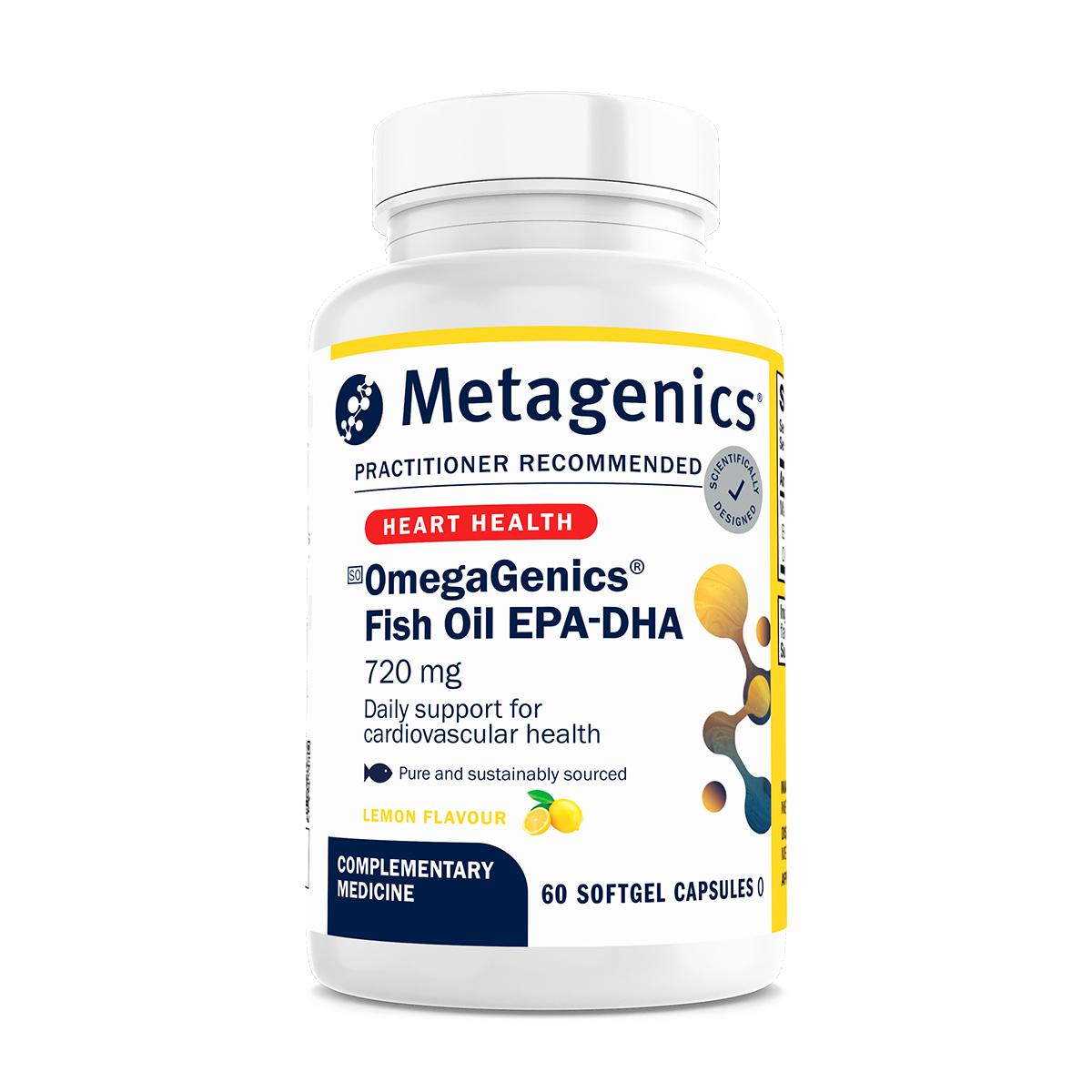
Add to cartMORE INFOMetagenics – OmegaGenics EPA DHA 720 60 Softgels
R520.00HEART HEALTH
Metagenics OmegaGenics EPA DHA 720 60 Softgels
A high-quality omega-3 fish oil supplement that delivers concentrated amounts of essential omega-3 fatty acids — EPA and DHA — from cold-water fish oil. Each serving provides a potent blend of these omega-3s to help support heart, brain, eye, joint, and overall wellness as part of a balanced lifestyle.
Lemon Flavour

Reviews
There are no reviews yet.